Insights
Filming at Protected and Institutional Sites in Bangladesh
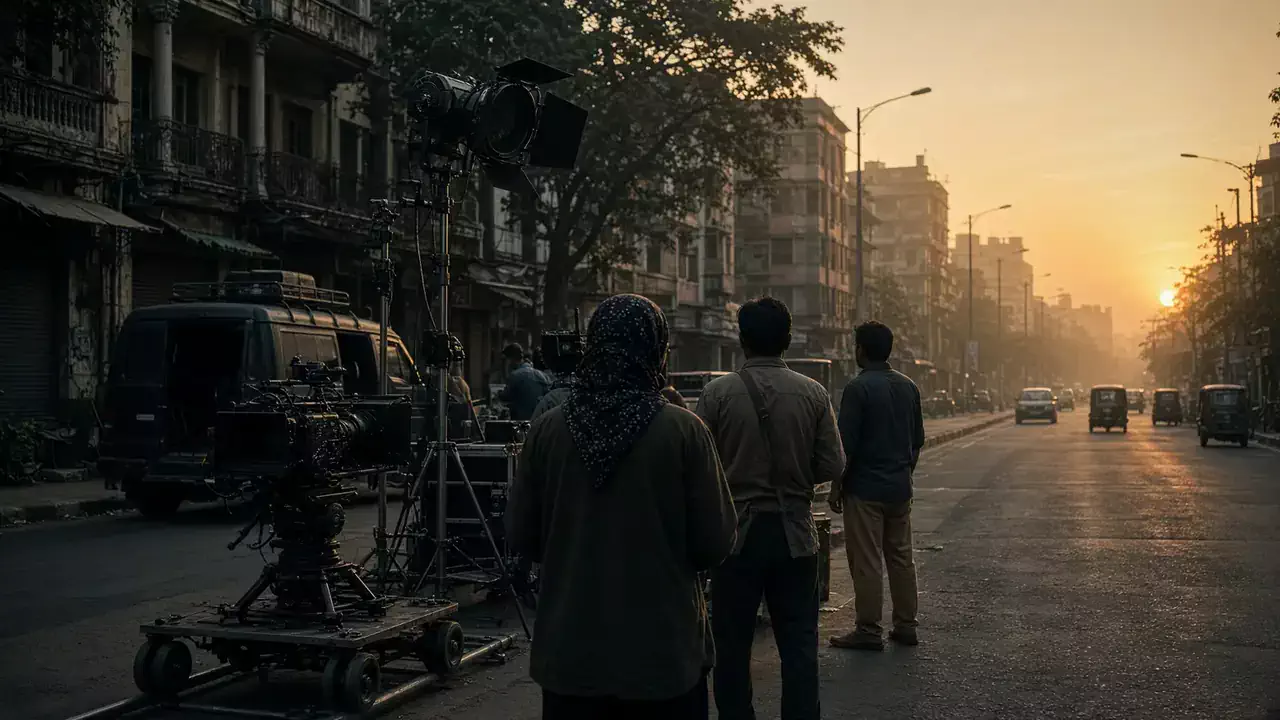
A nuclear plant, an economic zone, or a diplomatic occasion is not a standard location shoot. The permission is layered, the timing is fixed by the event itself, and there is no second attempt if the plan is wrong.
What makes a site "institutional"
A standard filming permit covers most commercial and documentary work. An institutional or protected site adds a second, separate layer of permission on top of that: security clearance for a nuclear facility, sponsorship and protocol sign-off for a state visit, or coordination with an embassy's own security detail for a diplomatic occasion. The standard permit gets a unit onto a street. It does not get a unit past a security perimeter, and treating the two as the same process is the most common way a production loses weeks it didn't budget for.
Fixed timing, no second attempt
A standard shoot can usually be rescheduled if the light is wrong or the crew is short a day. A state visit, a plant milestone, or a national ceremony happens once, on a date set by people who are not the production. The camera plan, the crew positions and the backup plan have to be right the first time, because there is no reshoot for a head of state's visit or a one-time concrete-pouring ceremony.
Named work at this level
Three examples from this practice, each a different kind of institutional access: production coverage of the first concrete-pouring ceremony for Unit 2 of the Rooppur Nuclear Power Plant (2018), jointly inaugurated by the Prime Minister of Bangladesh and Russia's Deputy Prime Minister; the nationally broadcast Grand Opening of Bangladesh Special Economic Zone in Araihazar (2022), inaugurated virtually by the Prime Minister with BEZA and Sumitomo Corporation leadership attending; and, at the same site two years later, venue branding and ceremonial production for the state visit of His Majesty the King of Bhutan (2024). A fourth example sits outside Bangladesh government access entirely but inside the same protocol discipline: event production for the United States Embassy Dhaka's National Day celebration (2022), run to the embassy's own security and protocol requirements rather than a standard venue's.
What a unit prepares differently
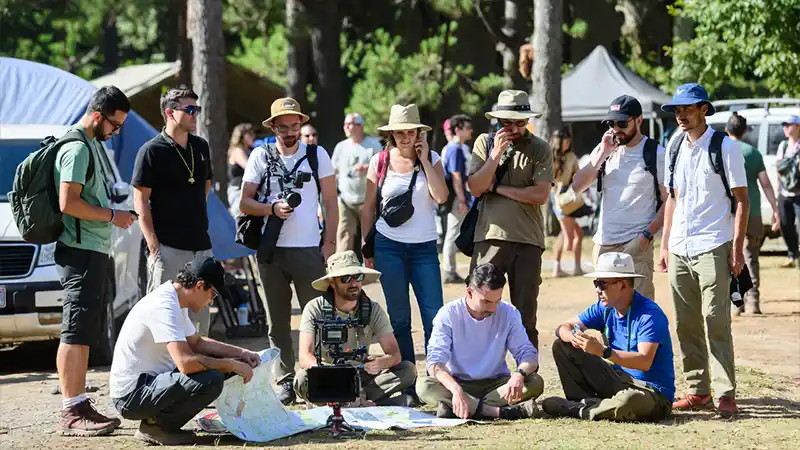
Security clearance for crew and equipment has to be filed earlier than a standard permit, sometimes well before dates are fully confirmed. Camera positions are agreed with the host institution's own security or protocol team, not chosen freely by the unit. A rehearsal or technical walkthrough happens wherever the schedule allows one, since a live ceremony gives no room to discover a problem on the day. And a single point of contact between the production and the institution's own protocol office is essential — multiple people from the production approaching the same institution independently is a fast way to lose the institution's trust before filming starts.
About the author
Azizul Hoque Shiplu is Founder & Film Director of Libanza Films and Managing Director of Libanza Limited in Dhaka. He has supervised more than 100 advertising AV projects and has led ceremonial production for national and diplomatic occasions in Bangladesh, including the examples above.
Discuss this brief
Share dates, city and the outcome you need. No email is published on this website.
Frequently asked questions
Is this the same permit process as a standard commercial shoot?
No. A standard filming permit is the starting point, but an institutional or protected site adds a separate security and protocol layer on top of it, agreed directly with that institution.
Can a ceremony date be rescheduled if the production isn't ready?
No. A state visit or a national ceremony happens once, on a date the production does not control. Preparation has to be complete before that date, not adjusted after it.
Who should a production contact first for this kind of site?
One named point of contact on the production side should approach the institution's own protocol or security office. Multiple uncoordinated approaches from the same production are a common way to lose an institution's trust before filming starts.
Ready to talk through a brief, shoot plan or brand challenge?
Film fixer services Event planning services Contact