
Insights · Film production
Bangladesh Visa Guide for International Film and Media Crews
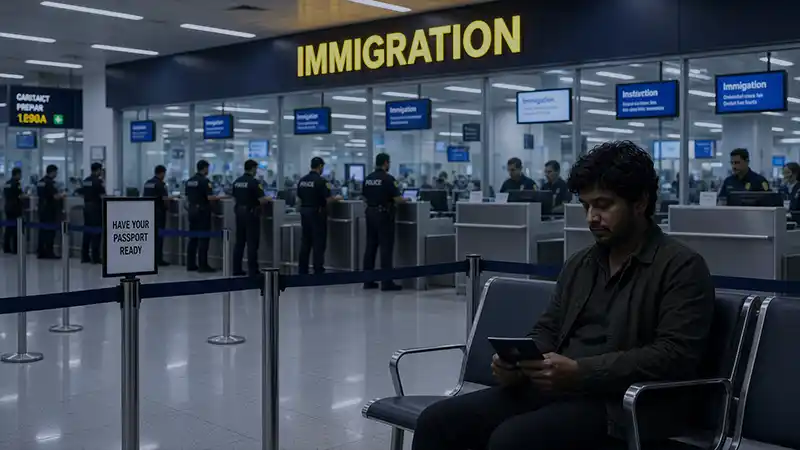
A filming permit does not replace a visa, and a tourist stamp does not authorise professional media work. International crews planning to shoot in Bangladesh need the immigration category to match the real purpose of travel — often a Journalist or media pathway — while filming and location clearances run on a parallel track. This guide sets out how those pieces fit together for practical planning.
Note: Visa rules depend on nationality, mission practice and current policy. This article is general guidance for producers, not legal advice. Confirm requirements with the nearest Bangladesh mission and official portals before booking non-refundable travel.
How Bangladesh visas are organised
Most foreign nationals need a visa unless a specific exemption applies. Applications are normally handled by Bangladesh embassies, high commissions and consulates abroad. Limited Visa on Arrival options exist for some nationalities and purposes. Extensions and certain changes after entry are handled in Bangladesh by the Department of Immigration and Passports (DIP). Passports are generally expected to remain valid for at least six months from the date of entry.
Purpose must match the category
Categories are purpose-based. Common examples in official materials include tourist (T), business (B), journalist (J), dependents of journalists (FJ), and various official, employment or investment routes. Using a tourist visa while arriving with a professional camera kit and a commissioned shoot is one of the most frequent compliance mistakes crews make. Immigration looks at activity, not only the label on the itinerary.
Journalist (J) visa — the pathway most media crews need
Mission guidance describes the Journalist visa for foreign journalists from newspapers, magazines, TV and radio networks, news agencies and other media, including freelancers, who visit to collect information or news or to perform professional duty. Policy wording for the J category also connects the purpose to professional duties such as shooting films and documentaries. That is why documentary units, news teams and many foreign production crews are steered toward this route rather than tourism.
Duration is often issued for up to about one month, with single, double or multiple entry options depending on the mission's decision. Stay length is tied to the approved visit. Longer extensions may be sought from DIP after arrival; those remain discretionary. Visa validity commonly runs from the date of issue, not the travel date written on the form — an easy detail to miss when planning flights.
Documents missions typically request
- Signed printout of the online visa application
- Recent photographs and a passport valid for the required period
- Invitation letter from a concerned organisation in Bangladesh
- Letter from the applicant's media house or employer
- Press credentials where applicable
- For shoots: purpose declaration, storyline or synopsis, locations and draft schedule
- Equipment list for kits travelling with the crew
- FF-1 / FF-2 or equivalent forms where the mission requires them for foreign network or documentary filming
Fees are frequently set on a reciprocity basis with the applicant's country. Incomplete files are the main cause of delay; missions will not treat a vague "media visit" the same as a documented assignment.
Visa on Arrival is not a filming shortcut
Visa on Arrival can help eligible travellers for tourism, certain business visits or other listed purposes under current Home Affairs rules. It is commonly described as short-stay and single-entry (often up to 30 days), with proof of funds, return tickets and supporting documents checked at the border. Pre-registration through official VOA channels may be required or strongly advised.
VOA does not replace a Journalist visa when the purpose is professional news gathering or production. Crews that plan to film should not rely on arrival discretion to convert a tourist or casual entry into a media assignment.
Visas and filming permits are separate tracks
For international units, immigration and content approval usually run in parallel:
- Visa — correct category for entry and professional activity
- Filming clearance — often Ministry of Information processes for foreign professional shoots
- Location permissions — venues, districts, forests, drones and restricted areas as required
A practical sequence is: local invitation and project outline → ministry or FF-style paperwork where needed → mission visa application → travel → on-ground compliance. For the permit side of that sequence, see filming permits in Bangladesh and film fixer logistics.
Planning checklist for producers
- State the real purpose: tourism, business, journalism or production
- Identify every foreign crew member who needs a visa
- Collect employer letters, invitations, synopsis, schedule and equipment lists early
- Submit mission applications only with complete supporting files
- Do not assume VOA covers professional shoots
- Align visa dates with permit timelines and buffer for delays
- Keep one local production lead accountable for invitation letters and on-ground coordination
About the author
Azizul Hoque Shiplu is Founder & Film Director of Libanza Films and Managing Director of Libanza Limited in Dhaka. He supports international crews with film-fixing and production coordination in Bangladesh. This article reflects practical production planning experience and publicly described visa categories; it does not replace instructions from Bangladesh missions, the Department of Immigration and Passports or the Ministry of Home Affairs.
Discuss this brief
Share dates, city and the outcome you need. No email is published on this website.
Frequently asked questions
Answers to common questions from international producers and media teams planning travel to Bangladesh.
Can foreign film crews enter Bangladesh on a tourist visa?
Professional filming is not treated as a tourist activity. Crews should use the media or journalist pathway that matches their assignment, as advised by the relevant Bangladesh mission.
Is a Journalist visa the same as a filming permit?
No. The visa covers entry and immigration purpose. Filming clearance from the Ministry of Information and location permissions are separate approvals and are often required in addition.
Does Visa on Arrival work for documentary or commercial teams?
VOA is purpose-limited (typically short tourism or certain business visits for eligible nationalities). Professional media and production work should not rely on VOA; apply for the correct category before travel.
How early should visa paperwork start?
Allow several weeks for invitation letters, any ministry clearance and mission processing. Large crews and restricted locations need a longer runway — often a month or more before wheels-up.
Who can invite a foreign media crew?
Missions typically expect an invitation letter from a concerned organisation in Bangladesh — for example a local production company, media partner or host organisation named on the application.
What documents are usually required for a Journalist visa?
Common items include the online application printout, passport and photos, employer or media-house letter, local invitation, press credentials where applicable, shoot synopsis and schedule, equipment list, and FF-1/FF-2 or equivalent forms when the mission requires them.
How long is a Journalist visa valid?
Mission guidance often cites issue for up to about one month, with single, double or multiple entry options depending on the case. Validity commonly runs from the date of issue, not the intended travel date on the form.
Can a Journalist visa be extended inside Bangladesh?
Extensions may be sought from the Department of Immigration and Passports (DIP) after arrival. Outcomes and duration are discretionary and depend on current rules and the individual case.
Do camera assistants and producers need the same visa as the correspondent?
Anyone entering to perform professional media or production duties should hold a category that matches that purpose. Do not assume only the on-camera journalist needs a media visa while the rest of the unit travels as tourists.
Is a business visa enough for a branded TVC shoot?
Business visas cover defined commercial visit purposes such as meetings and trade activity. A commissioned shoot with professional equipment is usually assessed under media/journalist or mission-specific advice — confirm with the issuing post before applying.
What about drone operators on the crew?
Immigration category and Civil Aviation (CAAB) drone permission are separate. Even with the correct visa, aerial filming needs its own regulatory track and is restricted near airports, military sites and other controlled zones.
Do freelancers qualify for a Journalist visa?
Mission wording often includes freelance journalists, provided the purpose is genuine professional media work and supporting letters, credentials and project details are credible.
Does every nationality follow the same process?
Core categories are national, but fees (often reciprocity-based), forms and processing times vary by mission and passport. Always follow the checklist published by the post where you apply.
What happens if the approved shoot locations change after the visa is issued?
Material changes to itinerary or locations should be coordinated through your local partner and, where required, updated with the authorities that approved filming. Visa purpose and permit conditions both matter on the ground.
Where should producers start if the shoot is only a few days in Dhaka?
Start with purpose classification, a local invitation, a clear synopsis and schedule, then mission visa filing in parallel with any Ministry of Information or location paperwork. Short duration does not remove the need for the correct category.
Planning crew travel to Bangladesh?
Share your outline and dates for practical fixer and production support. No email is published on this website.
Film fixer services Permits guide WhatsApp